How Can an Interactive Website Help an Independent Music Store?
How Can an Interactive Website Help an Independent Music Store?
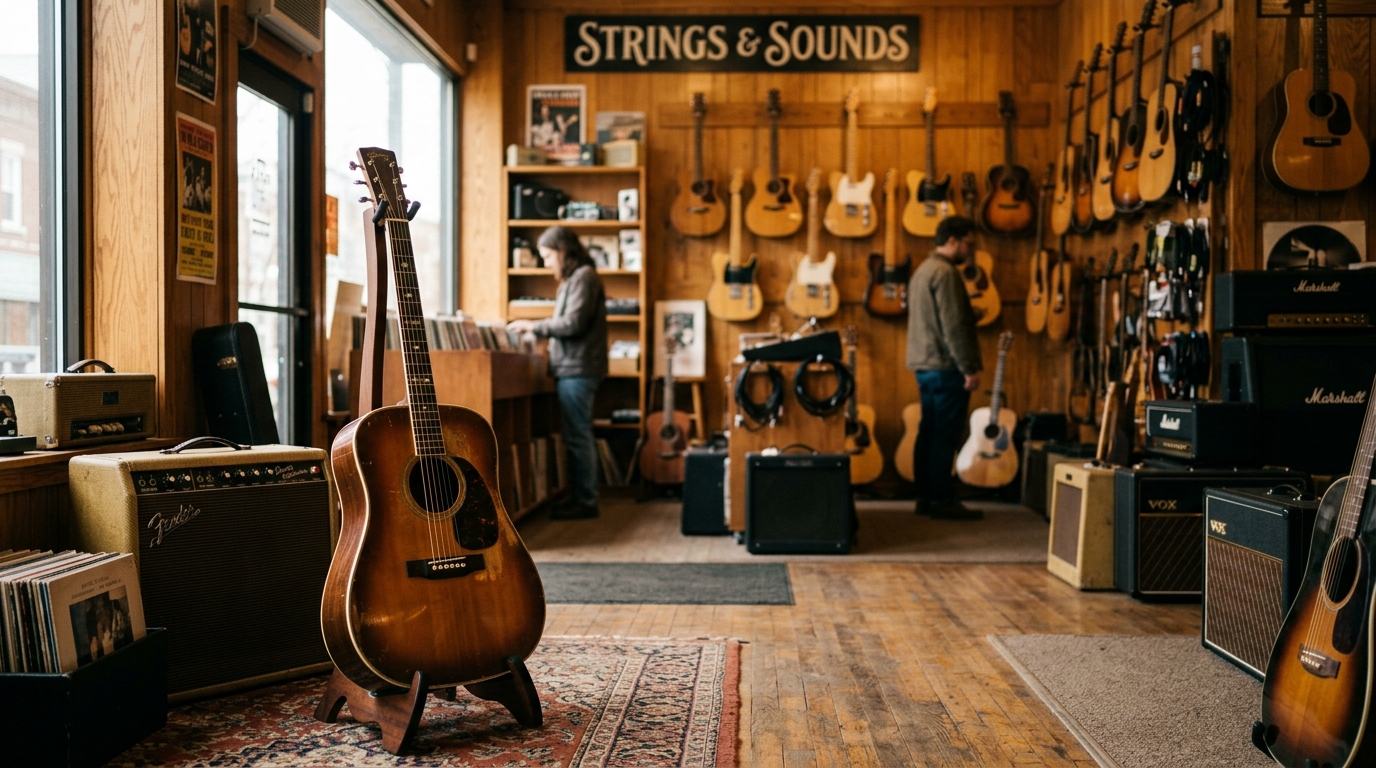
Canyon Harmony Music has been a vibrant cornerstone of Red Rocks for twenty-three years. The brick-and-mortar store welcomes visitors with the rich scent of vintage vinyl, the aroma of freshly brewed coffee, and the personal touch of an owner who remembers your last purchase. It is the cherished space where local bands first perform for an audience and where music lovers of all ages find unexpected treasures. For years, however, its website served only as a static brochure: a homepage featuring a grainy photo of the storefront, a brief list of upcoming events, an inventory page that resembled a scanned catalog, and a contact form that often went unanswered for days. The site described the store but never allowed visitors to truly experience its warmth, personality, or community spirit.
Reimagining the website as a dynamic digital extension of the physical shop transforms passive browsers into active participants. Visitors can now curate playlists alongside virtual staff recommendations, audition records in a digital listening booth, explore local artists through interactive maps, and even help shape future inventory. This shift turns a simple informational tool into an engaging experience that deepens connections and drives in-store visits. Here is how that transformation looks in practice.
The flat version
The current Canyon Harmony site opens with a large header image of the storefront at dusk, slightly out of focus. Below it appears a short, generic paragraph describing the store as “your local independent music destination since 2001.” A standard navigation bar lists the usual pages: Shop, Events, Artists, About, and Contact. The Shop page displays a basic grid of album covers, often low-resolution, drawn directly from the backend inventory system. Clicking any cover opens a straightforward product page with a brief description, a price, an “Add to Cart” button, and a simple note indicating whether the vinyl, CD, or cassette is in stock. There are no listening samples or related recommendations. The Events page offers a plain chronological list with dates and links to external Facebook pages, requiring users to navigate away from the site for details. The Artists page contains a handful of short bios paired with uninspired press photos, lacking any audio samples or links to their work. While everything functions and loads quickly, the experience feels utterly flat and transactional. Nothing encourages visitors to linger, explore, or form an emotional bond with the store. Most users exit within thirty seconds, taking little more than a mental note of an upcoming event before moving on.
Clicking through the reimagined site
You are Sarah, a thirty-four-year-old high-school music teacher who once spent many Saturday afternoons browsing at Canyon Harmony before life grew hectic with work and family. It is Thursday evening. You recall that the store is restocking new indie rock titles next week and decide to visit the website rather than drive across town on a whim.
The page loads to reveal a softly animated dusk scene of the actual storefront, rendered in rich detail, complete with warm porch lights glowing against the twilight sky. Gentle cricket sounds play through your speakers, evoking the peaceful evenings many visitors enjoy while walking to the shop. In the foreground, a hand-drawn window sign, animated with subtle flickering, asks, “What are we listening to tonight?” Three album covers rest on a virtual turntable, their labels crisp and inviting, rotating slowly. You tap the middle record—Sonder by local artist Lena Voss. The needle drops with an audible click, and a rich, warm 30-second excerpt of the opening track begins to play. The screen’s lighting dims slightly, mirroring the intimate, low-lit atmosphere of the store’s back room. A tooltip appears, rendered in a friendly, handwritten font: “This just arrived on turquoise vinyl. Only 18 copies left. Would you like us to hold one for you?”
Intrigued, you tap the tooltip. The interface transitions smoothly into the Digital Listening Booth, a full-screen environment meticulously modeled after the store’s actual listening station. Worn wooden shelves, rendered with realistic grain and subtle dust motes, line the virtual walls, and a vintage amplifier with glowing tubes sits in the corner. Four labeled wooden crates appear, each rendered with realistic textures and hand-lettered fonts: New Arrivals, Staff Picks, Local Spotlight, and Deep Cuts. You drag the Sonder record from the turntable into the Local Spotlight crate. The crate emits a soft amber glow, and a handwritten note from owner Mike materializes, appearing as if taped to the crate: “Lena recorded the vocals in our basement during last year’s snowstorm. Still gives me chills every time.” The personal story instantly connects the music to the store’s history and people, adding a layer of authenticity.
Wanting to learn more about Lena, you tap the glowing map pin beside her name. The screen dissolves into an interactive Local Artist Map of the greater Red Rocks region, overlaid on a beautifully rendered topographic map. Blue dots, pulsating gently, mark musicians who have performed in-store or whose records are carried on the shelves. You pinch to zoom into your own neighborhood and find three artists within a five-mile radius. Tapping each dot plays a 30-second music sample, displays recent performance photos from their in-store gigs, and shows exactly which of their releases are currently in stock at Canyon Harmony, complete with cover art. One artist turns out to be a former student of yours; she has released a new EP. You add it to your “My Next Visit” list with a tap. The EP is saved to a personal digital crate tied to your free account, ensuring it will be ready when you arrive at the store.
Building on this momentum, you tap the Build Your Visit button at the bottom of the screen. This opens a calendar-style planner overlaid with a foot-traffic heat map, derived from anonymized historical data from the store’s point-of-sale system, showing peak and quiet times. The map clearly shows that Saturday afternoons tend to be bustling, while Thursday evenings offer a quieter, more relaxed pace. The planner suggests a personalized itinerary based on your past preferences and saved items: “Arrive at 6:30 p.m., spend 18 minutes browsing new arrivals while we play selections from your saved crate, then enjoy a 12-minute private listening session with Mike on the latest jazz reissues.” You accept the suggested slot. The site immediately reserves a 30-minute “Curated Listening Session” in your name and sends a confirmation text containing a QR code, making your upcoming visit feel like a tailored appointment rather than a casual stop-in.
Before closing the planner, you notice a sidebar labeled The Next Shipment. Regular customers can vote on upcoming titles, giving the community a direct voice in inventory decisions. Ten potential records appear with progress bars indicating current request levels. You drag two favorites into the “Request” column. The bars update instantly, showing the collective interest. The site informs you, “You are the 7th person to request Talk Talk – Spirit of Eden on 180-gram vinyl. If we reach 15 requests, we will order 25 copies and give requesters priority access.” This transparent, gamified system creates a genuine sense of shared ownership and anticipation.
You then navigate to the Community Stage section from the main menu. The interface feels like stepping into the store’s intimate performance nook, complete with virtual stage lighting, a warm color palette, and subtle crowd murmurs. A live video feed shows tonight’s open mic night in real time, with clear audio streaming directly from the store. Below the feed sits a moderated chat window where remote viewers can submit song requests, just as they would if sitting in the audience. You type “Anything by Adrianne Lenker” and watch the host read your suggestion aloud on camera, waving at the lens and saying your name. Even from your couch, the moment creates a tangible feeling of participation and connection.
Returning to the homepage, you notice the rotating turntable now includes two titles from your personal crate. A gentle notification appears: “Mike left you a voice note.” You press play and hear the owner’s familiar, friendly voice: “Sarah, I saw you saved Lena’s record and requested the Talk Talk reissue. Both will be here Thursday. I also pulled that Adrianne Lenker pressing we discussed last year—would you like me to hold it for your listening session?” This personalized detail, drawn from your past interactions, reinforces a sense of being truly known and valued by the store.
You close your laptop with a feeling rarely inspired by retail websites: genuine anticipation. Rather than simply gathering information, you have already begun participating in the store’s world. The experience has transformed a routine check-in into the first chapter of a visit that feels personal, purposeful, and deeply connected.
The features that make it work
Several carefully designed interactive elements convert the static site into a compelling digital counterpart to the physical store:
-
Ambient Sound and Dynamic Turntable: Subtle background audio—crickets at dusk, distant conversations, or soft store ambiance—combined with a draggable virtual turntable immediately establishes an emotional atmosphere. The audio engine cross-fades seamlessly between tracks as users place different records on the platter, replicating the organic flow of listening in person. This feature uses a lightweight audio framework to manage multiple sound layers and smooth transitions.
-
Digital Listening Booth with Crate System: Visitors drag album artwork between themed wooden crates labeled New Arrivals, Staff Picks, Local Spotlight, and Deep Cuts. Each crate activates relevant staff commentary, genre-based recommendations, and related discoveries. The system saves crates across sessions, creating a persistent, personalized discovery tool that mirrors the tactile experience of flipping through bins in the store. This is built using a drag-and-drop UI library and a robust user profile database.
-
Local Artist Interactive Map: Powered by Leaflet.js and fed from the store’s customer relationship management data, the map links geographic locations to musical exploration. Tapping a pin reveals current inventory levels, upcoming in-store performances, gig photos, and options to reserve items for release day, strengthening ties between the store, local musicians, and the community. Geo-tagging of inventory and artist profiles is key here.
-
Build Your Visit Scheduler: This tool integrates live inventory data, staff availability, and anonymized historical foot-traffic patterns to generate meaningful appointment suggestions. The visual heat map helps users select quieter times, while the planner assembles tailored itineraries that include saved music from personal crates and specific staff listening sessions. This relies on a sophisticated scheduling API and data analytics.
-
Shipment Voting and Request System: A transparent, real-time voting interface allows customers to influence future stock. Progress bars update instantly across all users. Titles reaching set thresholds receive priority ordering, early access for voters, and dedicated in-store events, fostering a collaborative relationship between the store and its patrons. This system leverages a real-time database for instant updates.
-
Community Stage Live Feed and Request System: A low-latency video stream from the store’s performance area is paired with a moderated chat that forwards song requests directly to the host. Past performances are archived into a searchable library, extending the cultural life of the store beyond its physical hours and walls. This utilizes a robust streaming platform and a custom chat moderation tool.
-
Voice Notes from Staff: Using services such as Twilio or a similar communication API, team members record brief personalized audio messages that appear as contextual notifications. These human touches—such as Mike referencing a past conversation with Sarah—build loyalty by making digital interactions feel genuinely relational and personal.
-
Persistent Personal Crates and Wish Lists: Unlike conventional wish lists, these digital crates support sharing with friends, collaborative editing for group visits, and direct integration with in-store booking tools. They remain dynamic, updating with new staff notes or availability alerts. This feature is built on a user-centric data model that tracks preferences and interactions.
All features are constructed on a modern headless commerce platform. This architecture ensures that inventory levels, pricing, and order processing remain perfectly synchronized between the website and the physical store, preventing discrepancies and delivering a reliable, consistent experience for both customers and staff.
Why it matters
An independent music store’s most valuable asset is not the depth of its inventory. It is the expertise, taste, and sense of belonging cultivated over decades by the people who run it. A flat website can list products and hours, but it cannot convey passion, warmth, or community. An interactive website can do all three, transforming a digital presence into a living extension of the physical space.
By allowing visitors to audition music in a setting that echoes the store’s actual listening booth, influence which titles appear on the shelves, schedule meaningful face-to-face time with knowledgeable staff, and participate in live cultural events from anywhere, Canyon Harmony Music shifts the terms of competition. It no longer tries to match large online retailers on sheer selection or price. Instead, it competes on experience, curation, and human connection—qualities that no algorithm can duplicate. This strategic shift allows independent stores to thrive by leveraging their unique strengths.
The reimagined site does not replace the brick-and-mortar location; it extends and enhances it. Sarah’s Thursday evening exploration did not substitute for a physical visit. Instead, it ensured that when she walked through the door, she would do so with clear intentions, established relationships, and music that already felt personally significant. The digital experience became the first act of a story completed inside the beloved store on Main Street.
That is the profound difference between a website that merely informs and one that genuinely helps an independent music store survive and flourish in the twenty-first century. It transforms every visitor into a co-creator of the store’s culture and every browsing session into the beginning of a richer, more connected relationship with the music and the people who champion it.
Your website can be more than a one-dimensional advertisement. If reading this sparked an idea for your own business, come explore it with us. Open our Quote Chat and we’ll help you figure out exactly how an interactive website could work for you — no pressure, just possibilities.
What could this look like for your website?
Every idea here started with the same question: what if your site did more than sit there? Have a quick, AI-powered conversation with our project assistant and we’ll map out exactly how to turn your website into an interactive tool that works for your business.
Explore your ideas in the Quote Chat