How Can an Interactive Website Help an Independent Bookstore?
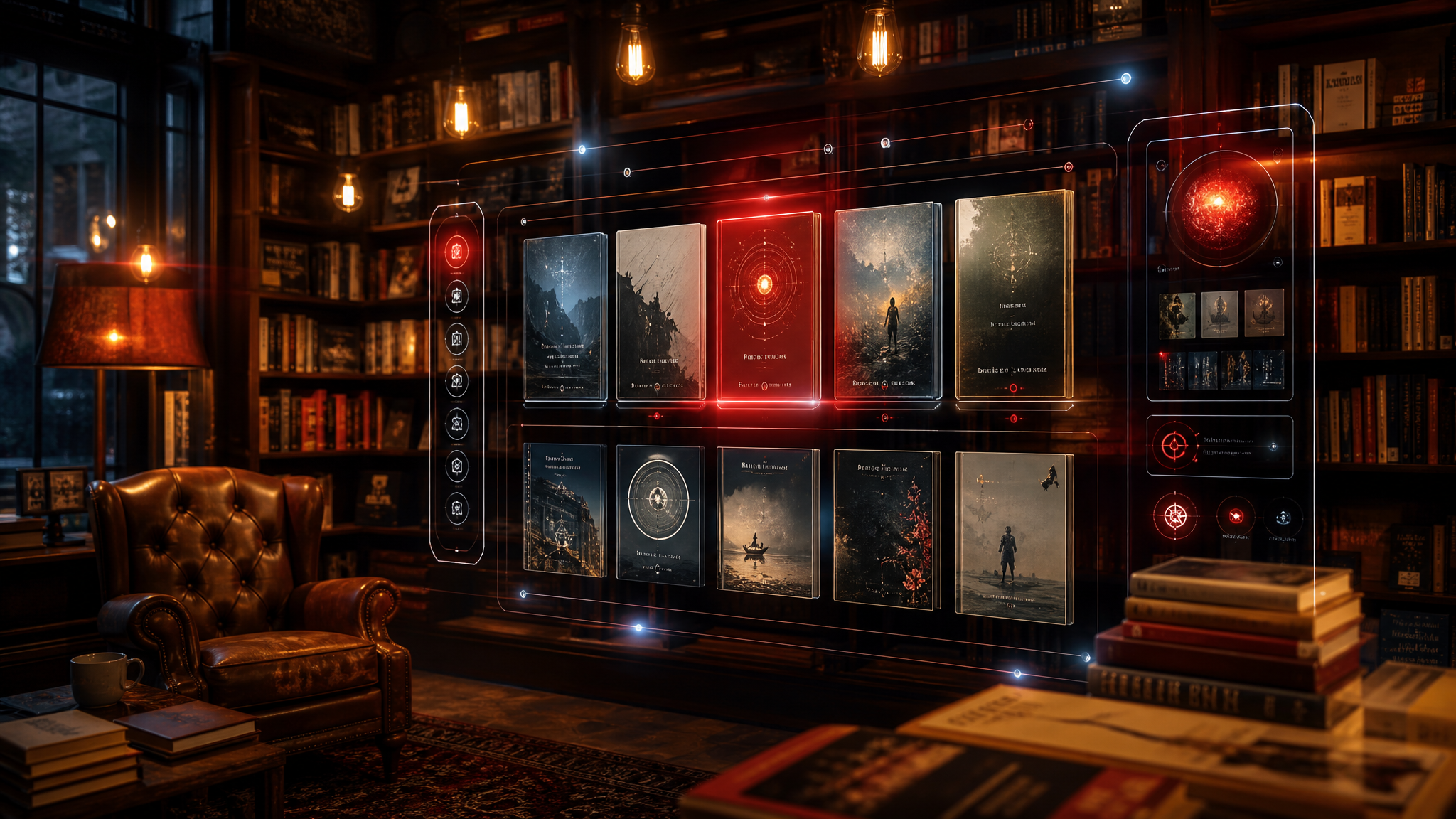
How Can an Interactive Website Help an Independent Bookstore?
Independent bookstores occupy a cherished place in their communities. They are not merely retail outlets; they are curated cultural hubs where readers discover stories, meet authors, and find belonging amidst the comforting scent of paper and coffee. Yet, many of these beloved shops still operate with websites that feel like digital relics: static, two-dimensional pages that present information without truly inviting interaction or capturing the store's unique soul. These digital presences often fail to convey the warmth, personality, and personalized experience that define an independent bookstore, leaving visitors with a flat, uninspired impression.
Chapter & Verse Books, a cozy 2,200-square-foot store nestled in a vibrant college town, perfectly illustrates this challenge. Their current website displays beautiful photos of the shop's inviting interior, lists upcoming events in a simple calendar grid, and offers an inventory search that returns plain text results. While functional for basic information, the site does little to convey the tactile pleasure of worn oak floors underfoot, the rich aroma of artisanal coffee brewing in the in-store café, or the thoughtful, serendipitous conversations between staff and customers that make each visit special. It presents facts but rarely inspires connection, curiosity, or the feeling of stepping into a beloved space.
The flat version
The original Chapter & Verse website follows a predictable, almost brochure-like template. Visitors land on a homepage dominated by a large, static banner image of the storefront, accompanied by a short paragraph detailing the store’s founding in 1998. Below this, a rigid grid displays six static event posters with only dates and titles, offering no deeper context, speaker bios, or a sense of the event’s atmosphere. The “Browse Books” section links to a basic search page where users can filter by broad genre categories—fiction, mystery, biography—but the results appear as a long, unadorned list of titles and authors. Clicking any title opens a simple product page featuring a cover image, ISBN, price, and a solitary “Add to Cart” button. There are no staff recommendations, no thematic connections between titles, no snippets of reviews, and no way to truly explore the store’s distinctive personality or curatorial philosophy.
The events calendar is equally limited and uninspiring. It displays a monthly grid with small, colored dots indicating event types—author talks in blue, book clubs in green—but clicking a dot only reveals a brief title, time, and a “Learn More” link that leads to a separate, text-heavy page. There are no visual previews of past events, no short video clips of previous author readings, and no easy, one-click way to add events directly to a personal digital calendar. Crucially, the site lacks any meaningful integration between its inventory and events; a visitor interested in a science fiction author appearing next month cannot easily see which of that author’s books are currently in stock, nor can they view staff-curated reading lists on similar themes that might be relevant to the event.
Navigation across the site feels disjointed and frustrating. The top menu includes standard links like Home, About, Events, Shop, and Contact, but the “Shop” section opens in a new tab, redirecting users to an external inventory platform. This external site uses a completely different design language, forcing users to adapt to a new interface, and often requires a separate login just to create a wish list or save preferences. Mobile users frequently encounter tiny, unreadable text, overlapping images, and painfully slow load times on pages heavy with uncompressed photographs. In essence, the flat site informs but does not invite. It presents the bookstore as a list of facts and transactions rather than a living, breathing space full of stories, conversations, and discoveries waiting to be explored.
Clicking through the reimagined site
Imagine opening your browser on a crisp autumn morning and typing in the new, vibrant address for Chapter & Verse Books. The screen doesn't just load; it fades in with a gentle, inviting animation: golden leaves drift gracefully across a high-resolution photograph of the store’s inviting front window, where handwritten chalk signs proudly announce this week’s staff picks. As the page settles, soft, ambient music—perhaps the gentle strumming of an acoustic guitar or the distant murmur of a jazz piano—begins to play at a low, unobtrusive volume, immediately evoking the calm, welcoming atmosphere inside the shop. A small, elegant speaker icon in the corner allows visitors to mute the sound if they prefer silence, ensuring a personalized experience from the very first second.
At the top, a clean, intuitive navigation bar features beautifully illustrated icons, each hinting at the discovery within: a cozy house for Home, an open book for Discover, a calendar for Events, a steaming mug for Visit (detailing the café and physical location), and a classic shopping basket for Shop. The homepage no longer begins with a dry mission statement. Instead, it opens with a short, seamless looping video—filmed in the actual Chapter & Verse store—showing a friendly barista handing a steaming latte to a smiling customer, while in the background, two children sit cross-legged in the sunlit children’s nook, captivated by a bookseller reading aloud. Overlaid text elegantly reads, “Find your next chapter at Chapter & Verse,” instantly conveying the store’s essence.
Scrolling down, the visitor encounters the first truly interactive element: a dynamic “Today at the Store” carousel. Three visually rich cards slide horizontally, each offering a glimpse into the store’s daily life. The first card features a staff member named Elena, smiling as she holds a copy of a new literary fiction title, accompanied by a compelling short quote: “This debut reminded me of early Toni Morrison—quiet power on every page.” A prominent “Watch Elena’s 45-second recommendation” button opens a crisp lightbox video, allowing visitors to hear her genuine enthusiasm. The second card highlights an upcoming poetry reading, complete with a live countdown timer and a clear button labeled “Reserve my seat.” The third card displays real-time foot traffic: “12 readers browsing right now,” accompanied by a subtle, animated graphic of tiny, stylized book icons moving across a simplified floor plan, creating a sense of shared community even online.
Curious about the poetry event, the visitor clicks “Reserve my seat.” Instead of a plain, functional form, they are transported to an inviting page that features a stunning 360-degree panoramic photo of the actual event space within the store. Hotspots within the panorama reveal additional details: clicking the café counter displays the evening’s special menu, while clicking the seating area offers a virtual map of available chairs. A simple, elegant calendar picker lets them choose October 17 at 7 p.m., and a personalized note appears, drawing from their (consented) browsing history: “We’ll save a seat near the window for you, Alex—your profile says you enjoy natural light while reading.” The reservation process takes just three intuitive clicks and concludes with a digital ticket that can be added to Apple Wallet or Google Calendar with a single tap.
From the homepage, the visitor decides to explore the “Discover” section. Here, the experience truly transforms from a mere catalog into a guided, personalized journey. The page opens with four evocative, mood-based pathways: “Craving Comfort,” “Seeking Adventure,” “In Need of Wisdom,” and “Looking for Laughs.” Selecting “Seeking Adventure” doesn't just filter a list; it expands into a vibrant, visual map resembling a stylized treasure island. Illustrated trails lead to specific sub-categories such as “Epic Fantasy,” “Historical Quests,” and “Modern Thrillers.” Hovering over “Epic Fantasy” reveals glowing book covers that gently rise from the map, almost beckoning. Clicking one—say, a new translation of an ancient Icelandic saga—opens a rich, immersive detail view.
This detailed view includes not just the cover, but a one-minute audio excerpt read by the author, a short, heartfelt staff essay explaining why the book was chosen and what makes it special, and a “Readers like you also loved…” carousel. This carousel intelligently pulls from anonymized purchase history (with clear privacy controls explained) to suggest similar titles, fostering serendipitous discovery. A prominent button labeled “Place on Hold at the Store” checks real-time inventory and offers to set the book aside for pickup within 48 hours. Another option, “Join the Conversation,” reveals an ongoing discussion thread where local readers have left short voice memos and text comments about the saga’s themes of exile and resilience, building a sense of shared intellectual community.
Next, the visitor navigates to the “Shop” area, which now feels like stepping directly into the physical store’s aisles. A left-hand panel displays genre filters not as a sterile list, but as colorful, tactile-looking wooden blocks on a virtual shelf. Selecting “Mystery” subtly tilts the main view to show rows of books arranged on digital oak tables, complete with charmingly rendered price tags and handwritten recommendation cards propped against them, just as they would be in the store. Dragging a book cover into a “My Stack” tray on the right instantly adds it to a personal collection that can be saved, shared, or converted into a hold request or online order. The entire shopping experience mirrors the joy of browsing the physical shelves while offering the convenience of digital tools.
The reimagined site also bridges the online and in-person worlds. A “Visit” section uses an interactive floor plan where visitors can click on different zones to see live updates: how busy the café is, which staff member is working in the children’s section today, or which new arrivals are displayed on the front table. Integrated wayfinding tools even suggest the best time to visit based on typical foot traffic patterns, helping customers avoid crowds or intentionally join the lively weekend atmosphere.
By transforming a static brochure into an immersive digital extension of the physical store, Chapter & Verse Books can deepen customer relationships, increase event attendance, drive more hold requests and sales, and—most importantly—share the unique spirit of their independent bookstore with readers who may never have walked through the door yet.
Your website can be more than a one-dimensional advertisement. If reading this sparked an idea for your own business, come explore it with us. Open our Quote Chat and we’ll help you figure out exactly how an interactive website could work for you — no pressure, just possibilities.
What could this look like for your website?
Every idea here started with the same question: what if your site did more than sit there? Have a quick, AI-powered conversation with our project assistant and we’ll map out exactly how to turn your website into an interactive tool that works for your business.
Explore your ideas in the Quote Chat